Typical MOQ per SKU: 5k pcs; tiered pricing from 20k+. NDA & compliance support for both toy and small-electronics lines.
WHY MATERIAL COMES FIRST
Most cost problems on a toy programme are not caused by the price of resin. They are caused by choosing a material after the structure is already fixed, then finding the part needs a thicker wall, a different draft angle or a second decoration pass.
We agree material with the buyer during structural review, alongside wall thickness and mechanism travel, so the tool is cut once. Where a project has a hard target cost, we show which parts can change material without affecting function or safety — and which cannot.
Supplying custom plastic and electronic products since 2011.
A 10,000 m² factory in Longgang, Shenzhen, with a team of 100–200. Prototyping, injection molding, transfer printing, 3D printing, assembly and packaging are handled by one OEM/ODM team, so material decisions stay with the people who have to mould, decorate and pack the part.
BSCI and ISO 9001 certified.

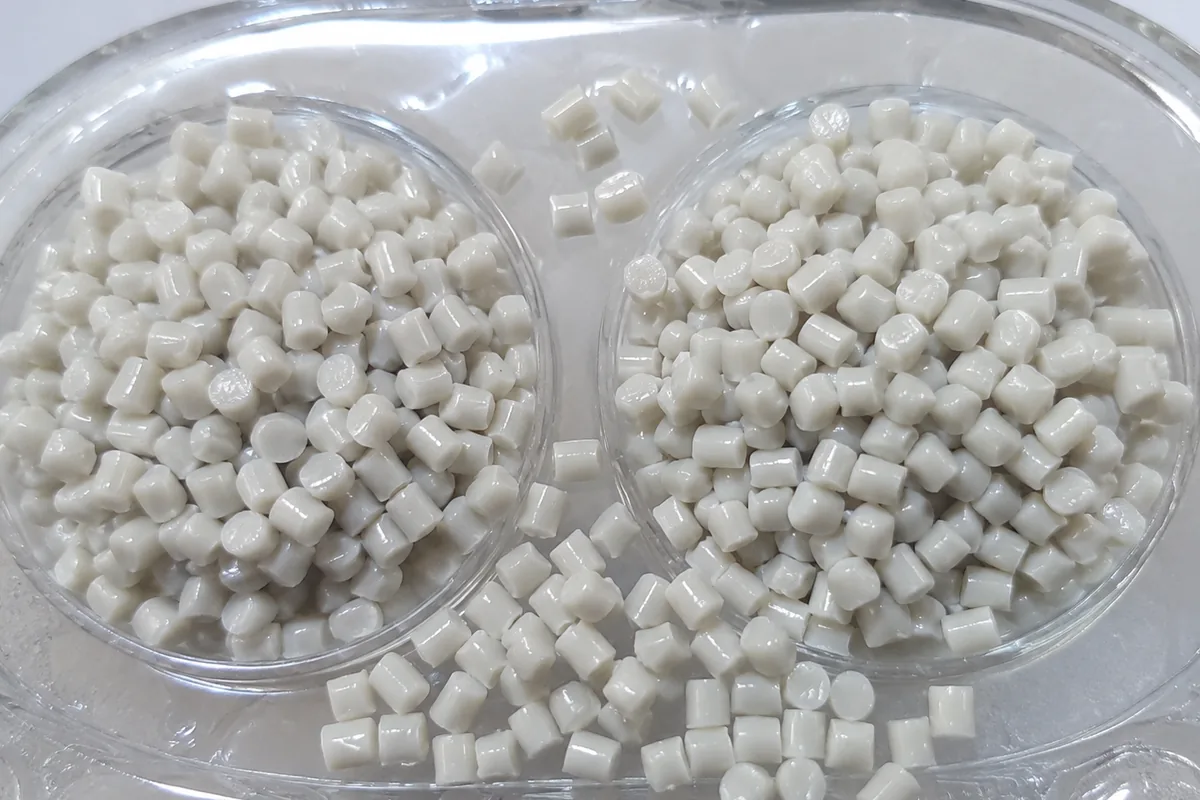
Housings that need rigidity and take spray or pad printing well
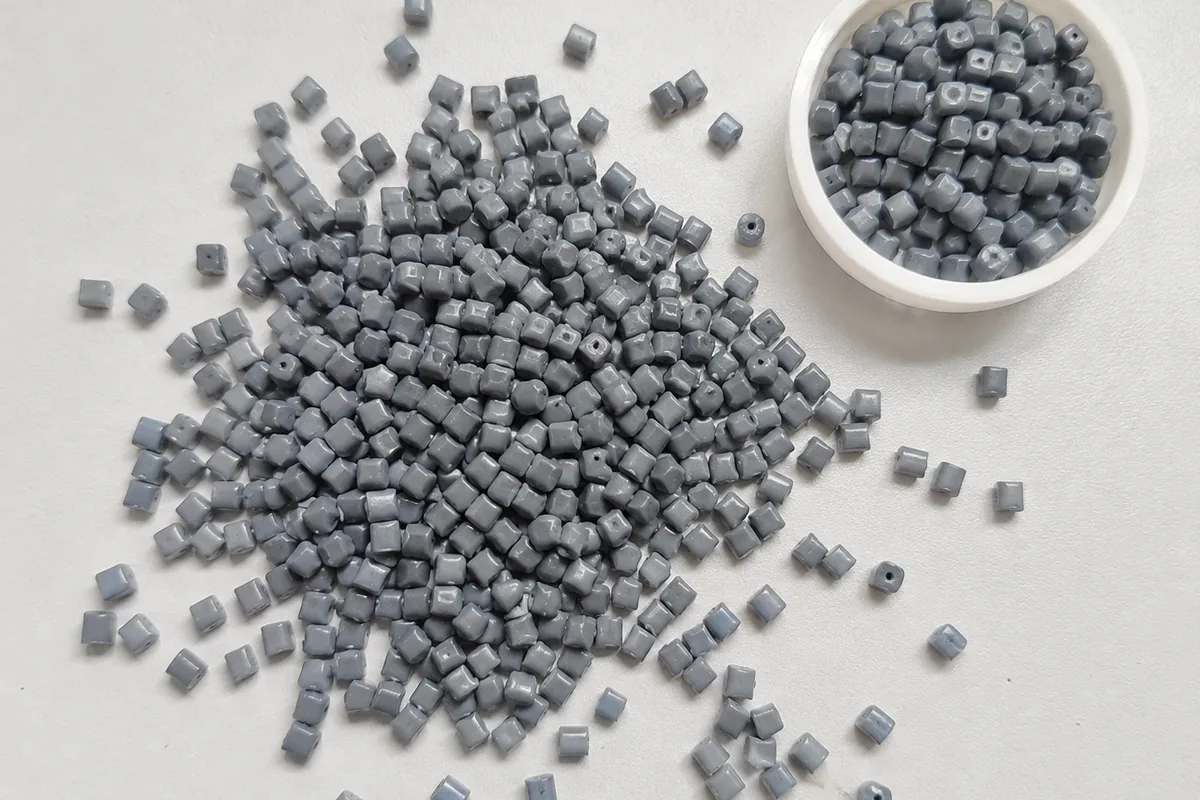
Clips, living hinges and parts that flex repeatedly without cracking
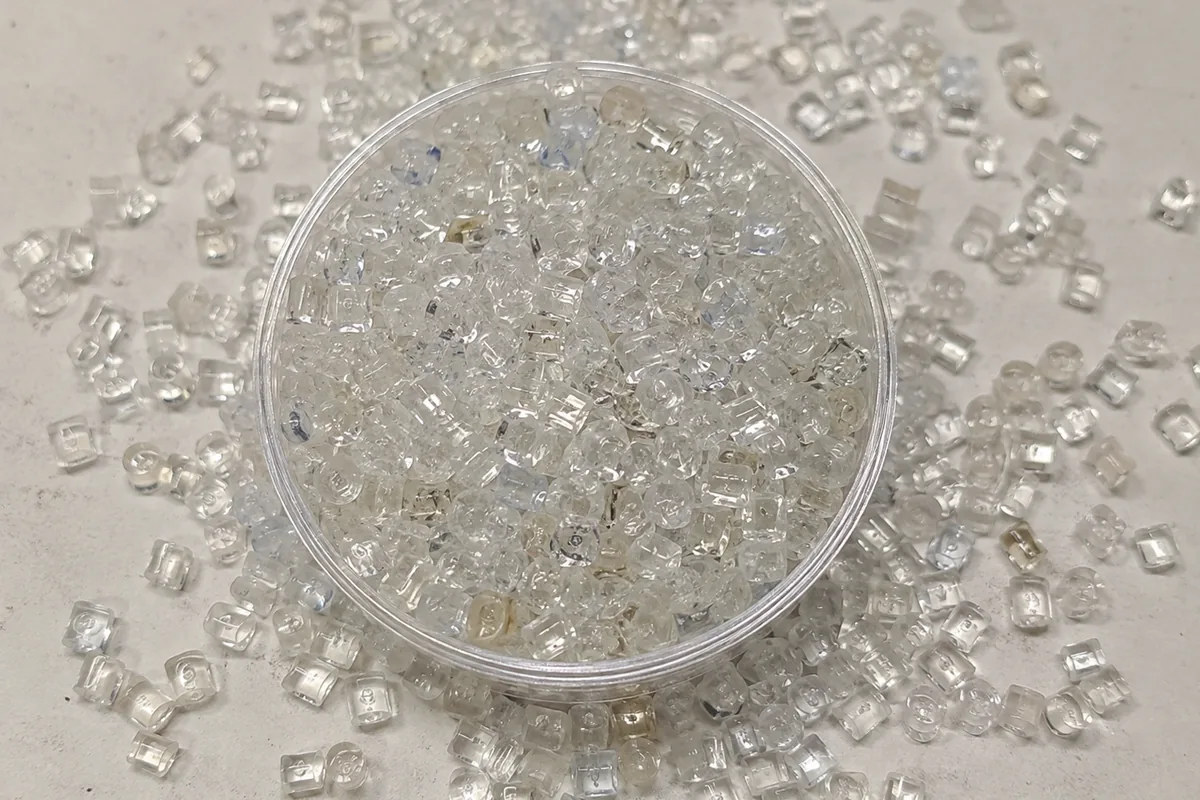
Projector domes, light guides and lenses where light passes through
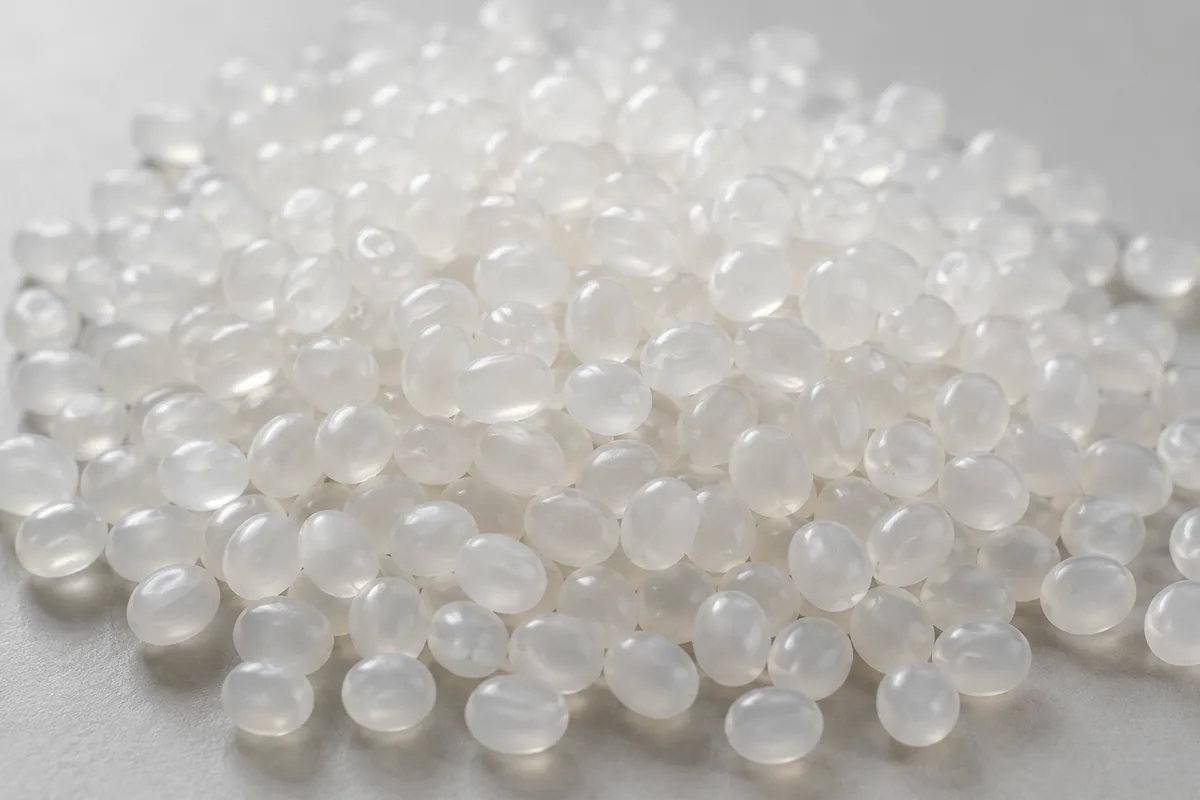
Over-moulded grips and parts intended for mouth contact
MATERIAL SELECTION
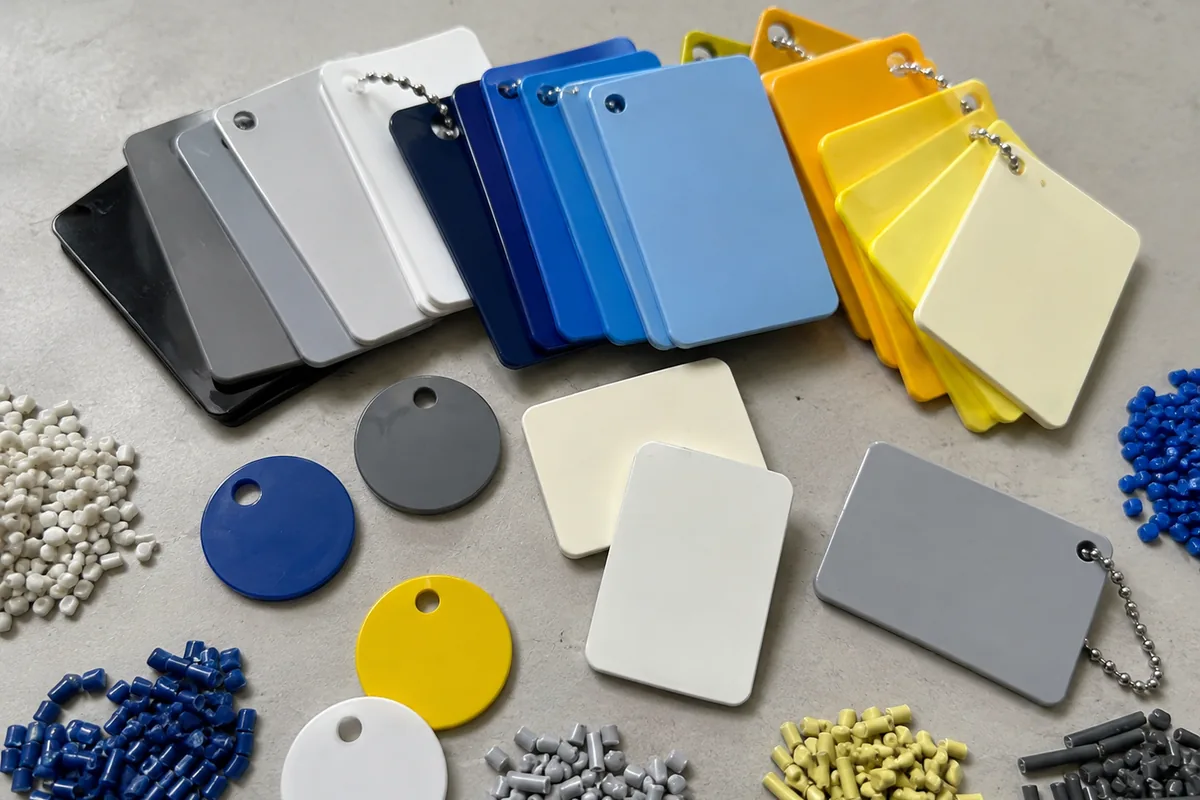
ABS handles housings that need rigidity. PP suits clips and living hinges that must flex repeatedly. PC and clear grades go where light passes through. TPE is used for over-moulded grips and parts intended for mouth contact.
Most products use more than one. A push-pop game console can use ABS for the shell, TPE for the bubbles and a clear grade for the light window — all moulded on the same floor during injection molding, which keeps the process settings for each material under one team.
WHAT WE CONTROL
Material is not only a purchasing decision. The items below are agreed at project level and recorded against the approved specification, so the fifth production run uses what the first one did.
MATERIAL AND MARKET STANDARDS
Buyers selling into the EU and North America generally need testing against EN71 and ASTM F963. Material is where that work starts: resin grade, colourant, and any over-moulded or coated surface all feed into the test report.
We build the material decision around the standard your market requires, and keep the declarations traceable back to the approved specification — the same records described under quality and compliance. Where a part carries printed or decorated surfaces, the ink and coating are selected on the same basis during printing and decoration.
Buyers are welcome to see the material store and colour-matching area during a visit to our Shenzhen factory.