Typical MOQ per SKU: 5k pcs; tiered pricing from 20k+. NDA & compliance support for both toy and small-electronics lines.

Our Toy Manufacturing Factory in Shenzhen

A 10,000 m² site supporting coordinated production, visible checkpoints and buyer-ready factory reviews.

Home  /  Our Factory

KingDa in Longgang, Shenzhen, China

KingDa has manufactured custom plastic and electronic products in Longgang, Shenzhen since 2011. The 10,000 m² site sits inside Shenzhen’s established manufacturing region, which keeps supplier coordination, customer visits and third-party factory audits easy to arrange.

Most of our work comes from toy brands, IP and licensing owners, e-commerce sellers, promotional product distributors and retail importers — some running private label programmes on defined specifications, others arriving earlier with OEM and ODM projects that still need engineering decisions.

Production moves between plastic injection molding, electronics assembly, printing and decoration, product assembly and packout without handing responsibility to unrelated suppliers.

Buyers can review how approved samples, revisions and batch status move through the plant, while defined quality inspection points support release decisions before shipment.

10,000 m²

Factory Area

50–500 T

Injection Molding Range

2M+ pcs

Monthly Capacity

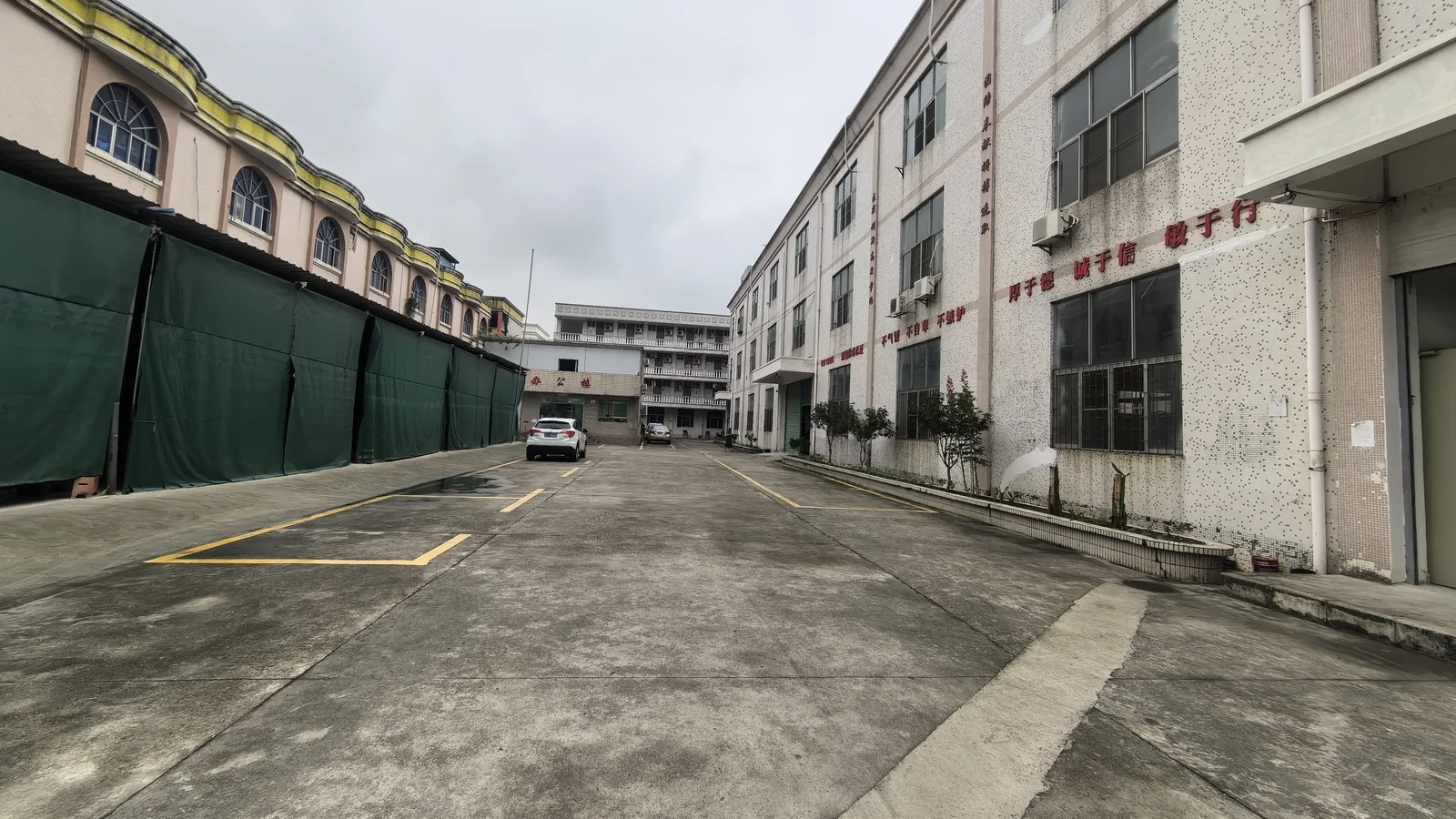
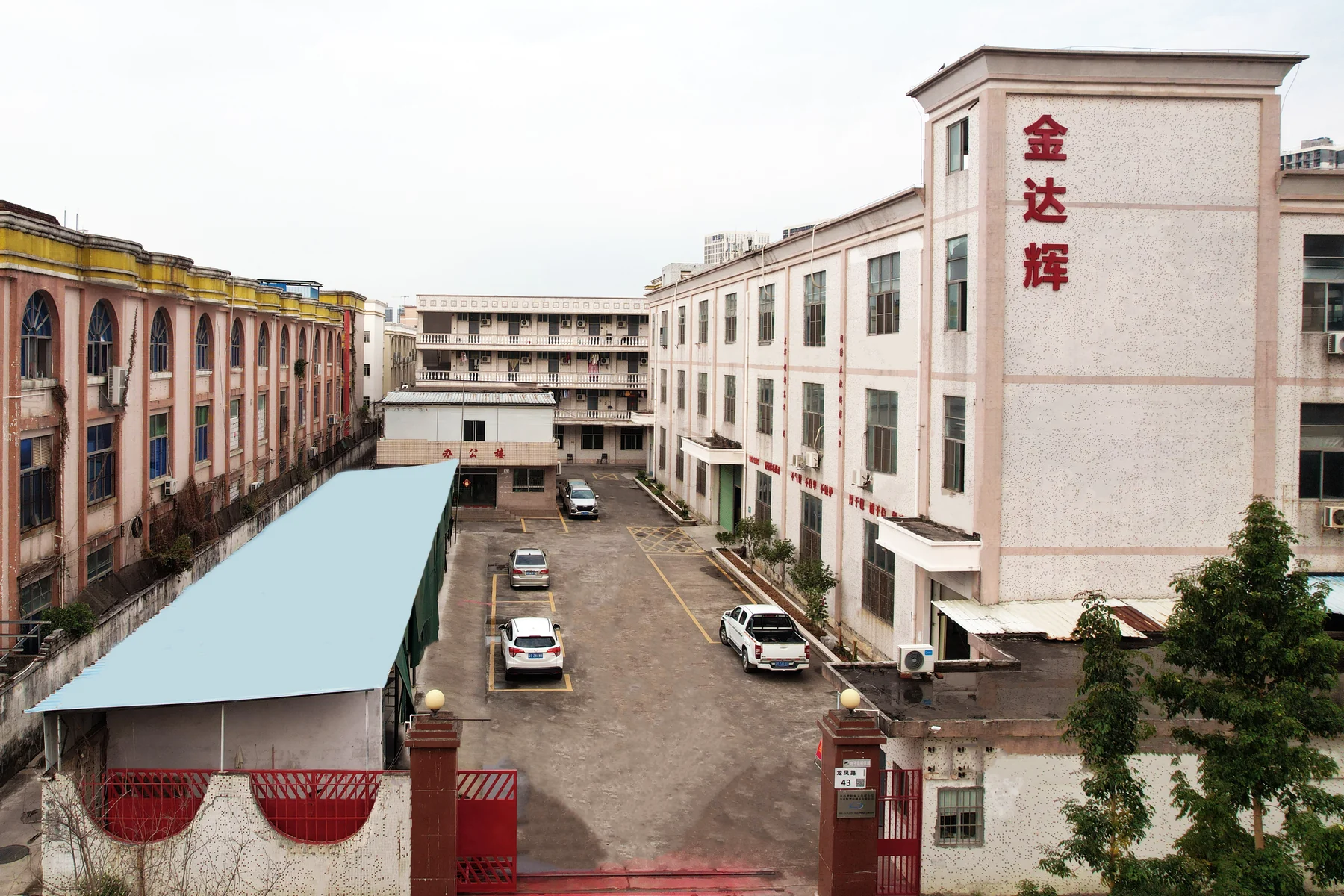
INSIDE THE FACTORY GROUNDS

A practical site built around coordinated production

Production buildings and internal access routes remain visible to visiting buyers during an arranged factory review.

CORE EQUIPMENT

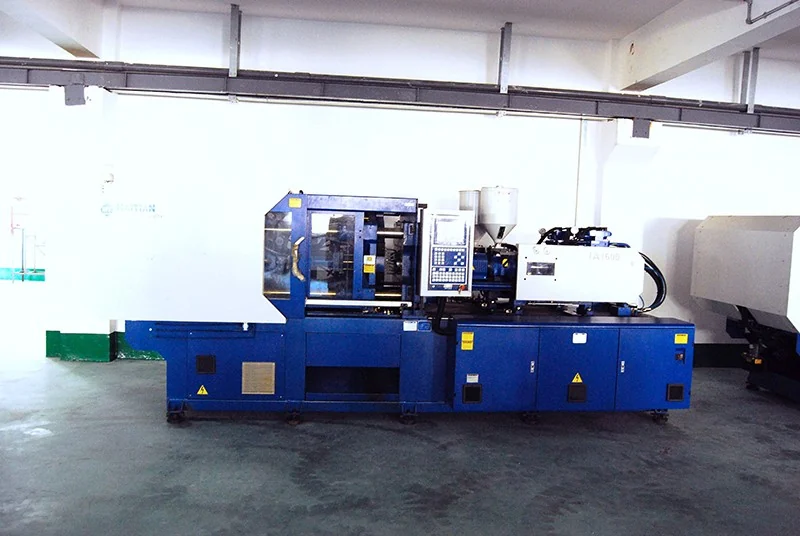
The Injection Molding Machines

An injection molding machine must apply enough clamping force to keep the mold closed while molten resin fills the cavity. The correct tonnage is not selected by part weight alone: projected surface area, cavity count, resin behavior, wall thickness and gate design all affect pressure on the mold.

Across the 50–500 T range, smaller machines suit compact parts where stable cycles and controlled material use matter, while higher clamping force supports larger housings, multi-cavity tools and components with broader projected areas. Before release, temperature, pressure, cooling and cycle behavior are trialed together, followed by checks for short shots, flash, warpage, sink marks and dimensional consistency.

Plants and Facilities

Six on-site production and verification areas. Each links through to the capability page covering that process in full.

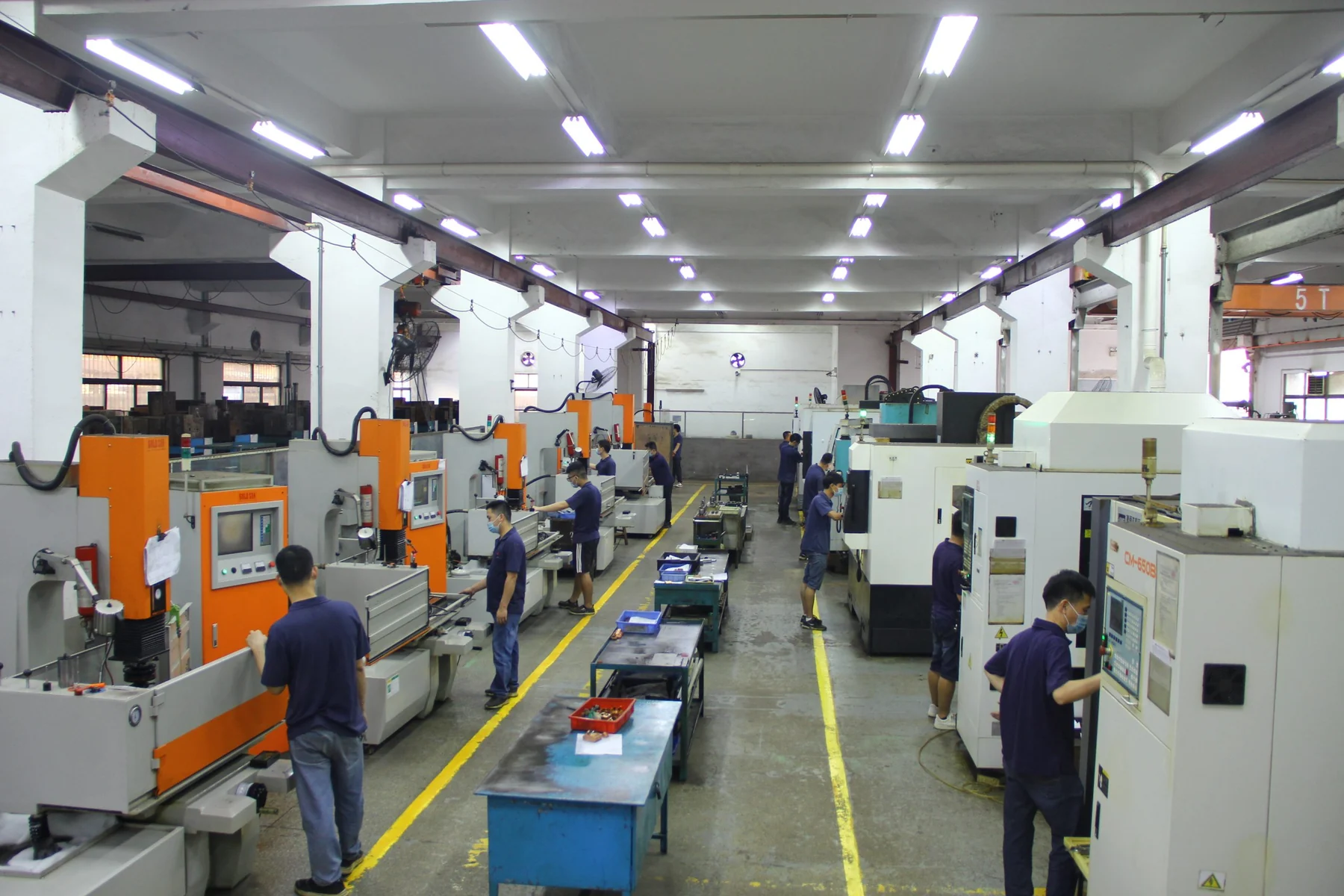
Mold machining, fitting and trial preparation before production approval.

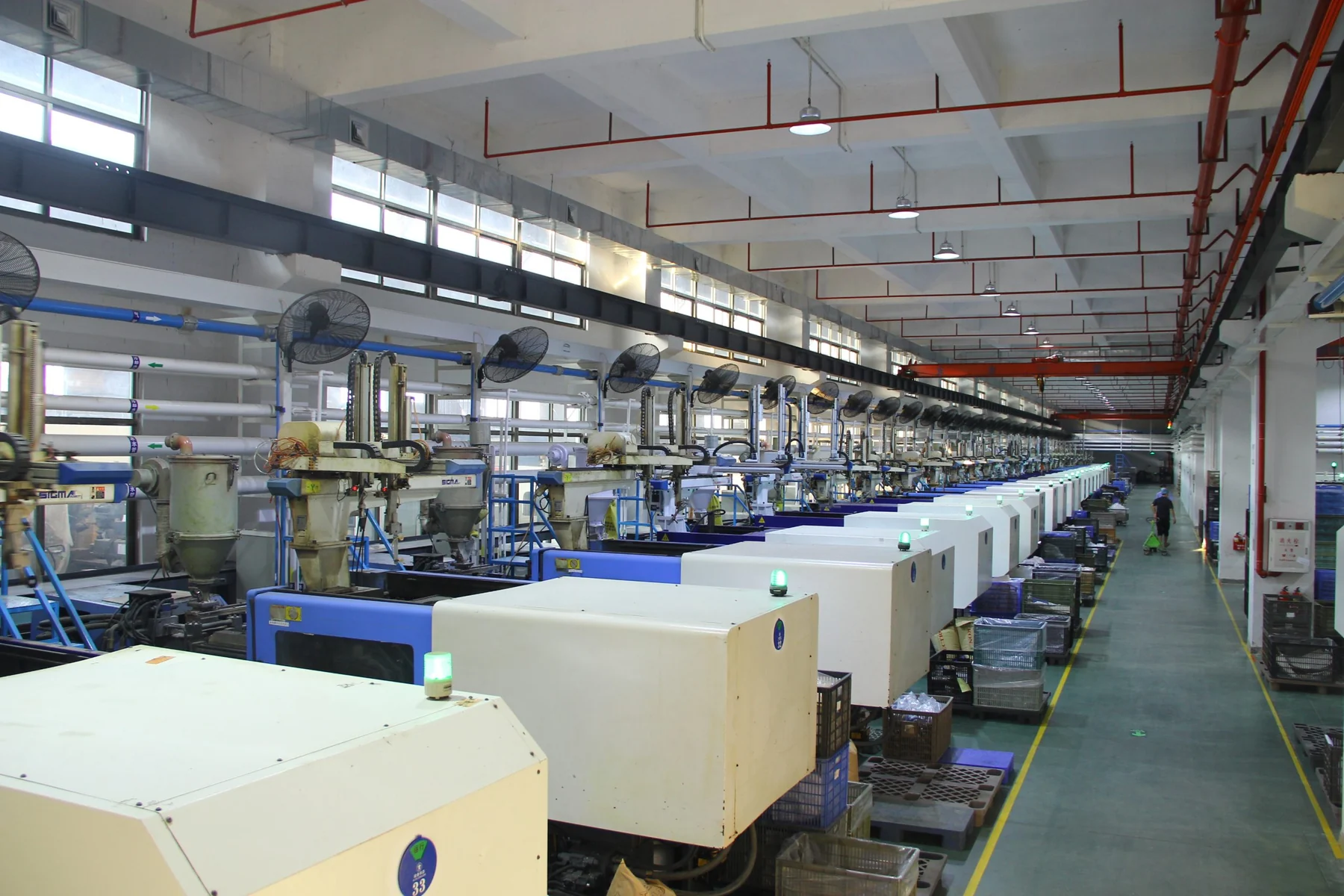
The 50–500 T range supports different mold sizes, cavity layouts and part structures.

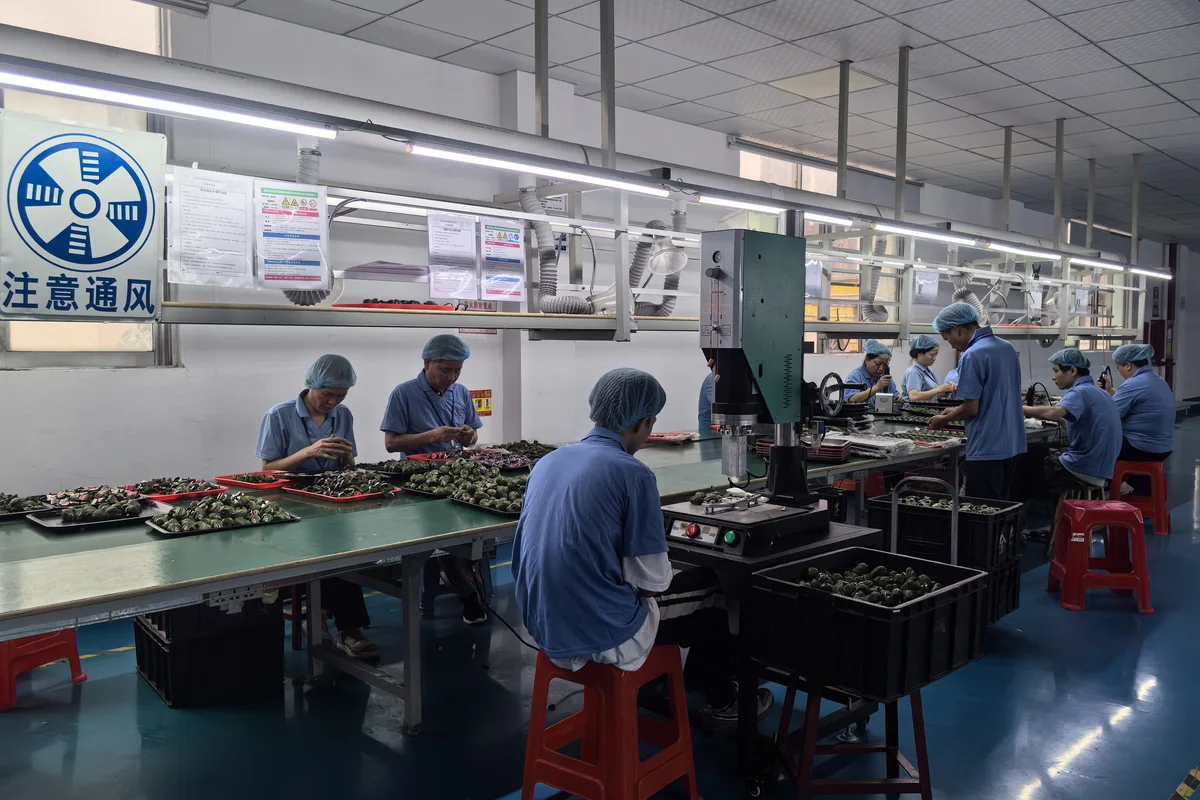
Molded components are fitted and joined at organized workstations where the structure calls for a clean, consistent bond.

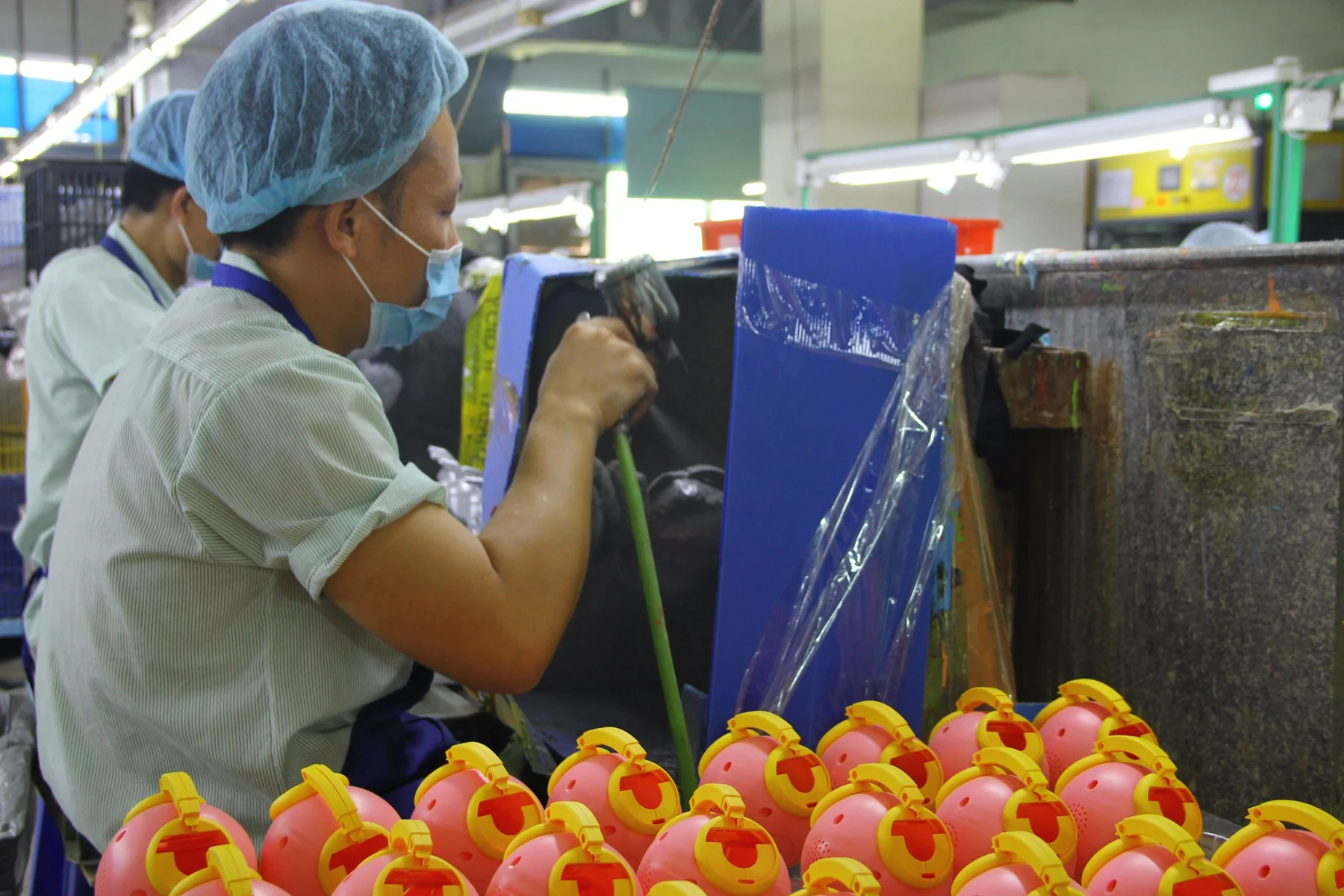
Printed details and hand-applied finishes are matched against approved color references.

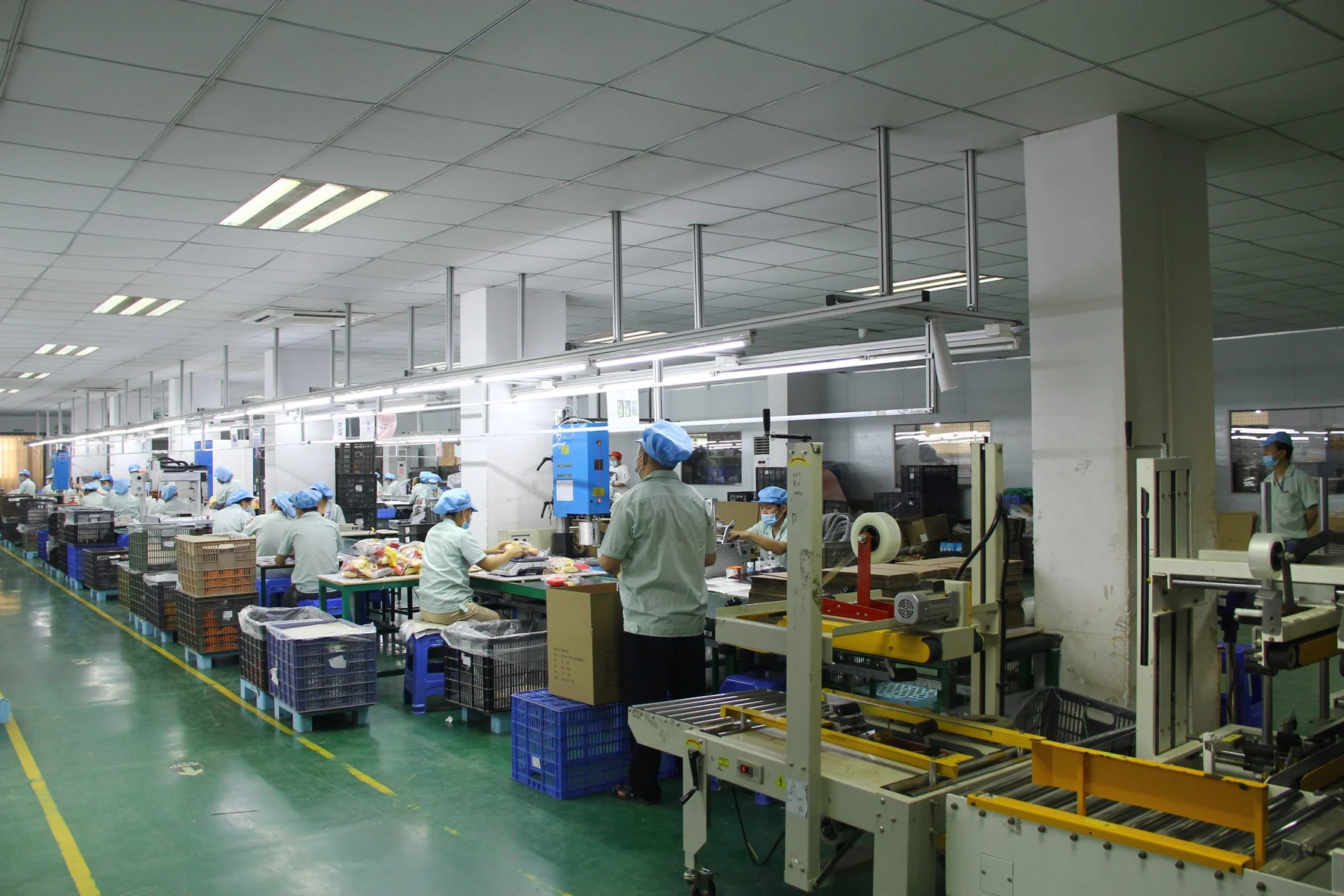
Components move through assembly, final handling and packing in one coordinated area.

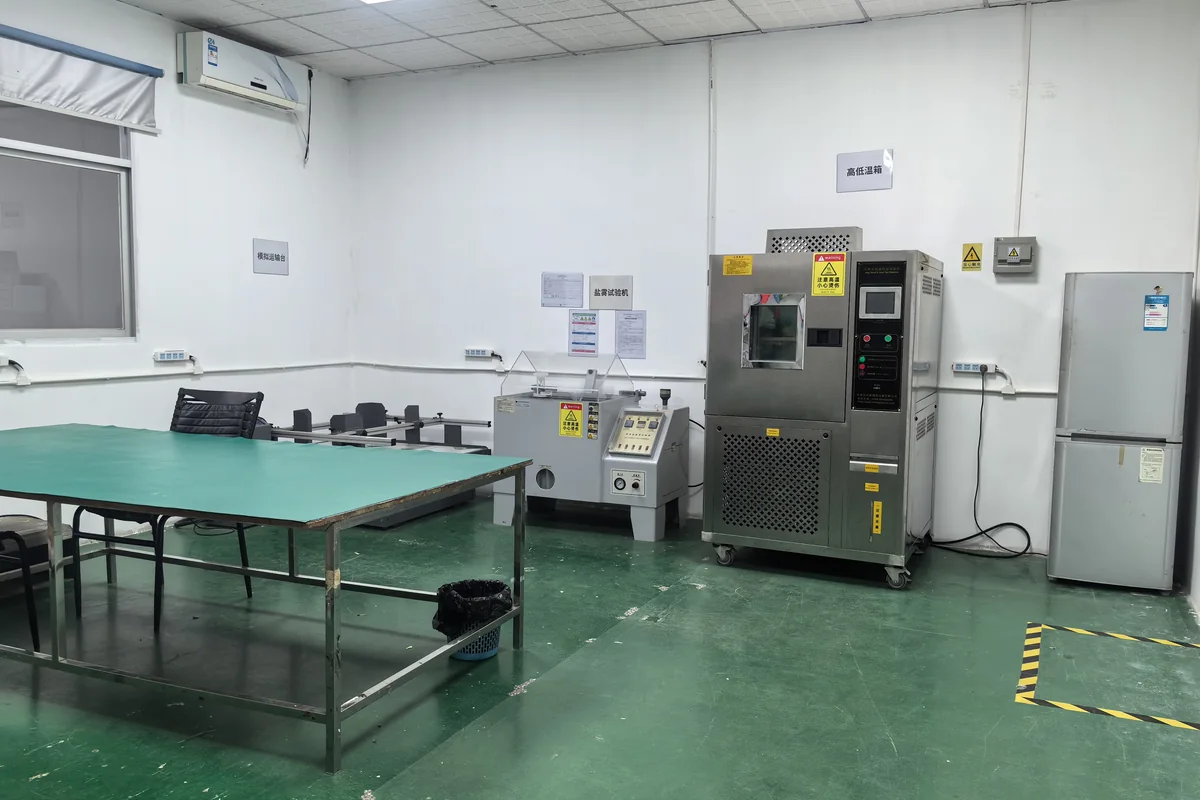
Selected materials and products are evaluated under controlled conditions when project requirements call for it.